Comparing Different Kinds of Translucent Flex for Light Boxes
Lightbox signs are one of the most popular and affordable ways for stores, showrooms, gas stations, restaurants and other businesses to brand themselves. The type of translucent flex used has a big effect on the quality of the final output of a lightbox.
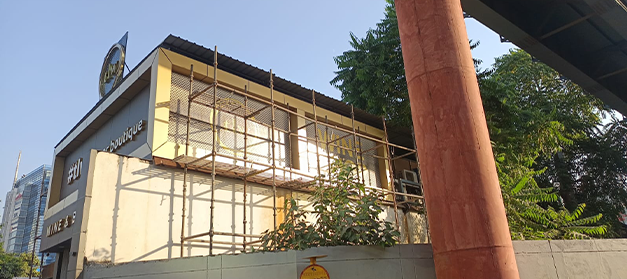
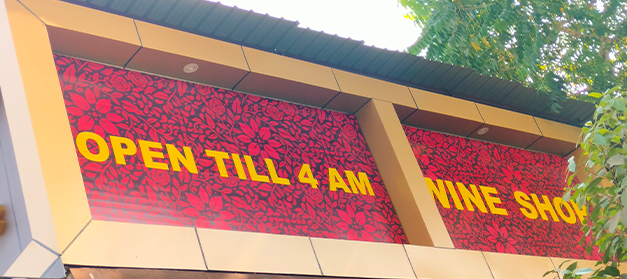
Choosing the right translucent flex helps ensure that:
- Light is spread evenly
- Colors are more vibrant
- It lasts longer
- It can handle the weather
- It looks like a professional brand
This blog will compare different kinds of translucent flex that can be used in lightboxes and help you figure out which one is best for your project.
What is Translucent Flex?
Translucent flex is a type of PVC flex material that has a special coating that lets light
through. It is mostly used in backlit signboards, where LED or tube lights are put behind the
flex sheet to make it glow.
Unlike frontlit flex, which is designed for illumination from the front, translucent flex is specifically designed for backlighting and controlled light transmission.
Different kinds of translucent flex for light boxes
1. Regular Translucent Flex (Standard Backlit Flex)
Characteristics:- Weight of approximately 280 to 320 GSM
- Basic light scattering
- An affordable choice
- Suitable for short to medium term use
- Affordable
- Easy to find
- Fast printing turnaround
- May show light patches if the LEDs are not spaced correctly
- The color may fade slightly over time
- Small stores
- Temporary sales
- Campaigns that last a short time
2. StarFlex (Premium Translucent Flex)
Starflex is a high quality, translucent flex that is often used in corporate signage and branded showrooms.
Characteristics:- Weight of approximately 350 to 450 GSM
- Better spreading of light
- Smooth finish on the surface
- Better print quality / ink reception
- Even glow
- Bright colors
- Long life outdoors
- More weather resistance
- A little more expensive
- Showrooms with brands
- Signs in malls
- Branding for gas stations
- Business projects
3. Blockout Translucent Flex (High Density)
Blockout translucent flex is made to keep too much light from getting through and make the glow effect more controlled.
Features:- More opaque
- Better control over colors
- Less light bleed
- Great for LED systems with a lot of power
- No shadowing effect
- Better contrast
- Requires proper lighting calculations
- Costs more for materials
- Large signs
- Installations with high brightness
- Signs for airports or highways
4. Fabric Backlit Material (a different choice than Flex)
Even though it is not flex, backlit fabric is becoming popular in modern signage.
Features:- Material made from textiles
- Silicon edge graphic (SEG) fitting
- Looks like it's all one piece
- High quality finish
- No wrinkles
- Simple to change out
- Looks better
- Costs more to install
- Needs an aluminium frame system
- Indoor branding
- Displays in malls
- Exhibition booths
- High end stores
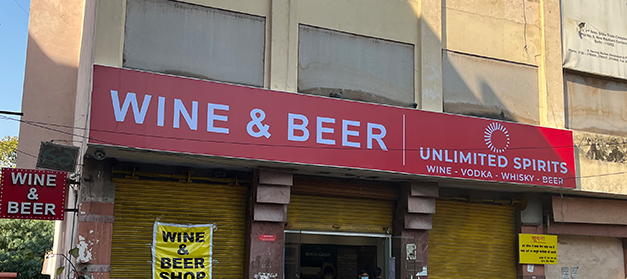
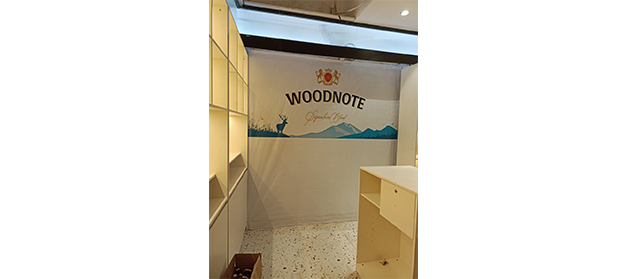
Table of Comparison
| Factor | Regular Translucent Flex | StarFlex | Blockout Translucent Flex | Backlit Fabric |
|---|---|---|---|---|
| Cost | Low | Medium | High | High |
| Light Diffusion | Average | Very good | Excellent | Excellent |
| Durability | Medium | High | High | High for indoor use |
| Outdoor Life | 1-2 Years | 3-5 Years | 3-5 Years | Mostly Indoors |
| Finish | Basic | Smooth | Controlled | Premium |
Key Factors to Consider Before Choosing Translucent Flex
1. LED Spacing
Wrong LED placement can cause patchy illumination.
2. Print Quality
Eco solvent and UV printing give better durability.
3. Frame Depth
Adequate frame depth is important for even illumination. The required depth depends on the LED type, spacing and lightbox design.
4. Application Location
Indoor vs. outdoor environments matter.
5. Budget vs Brand Image
Premium brands should avoid low grade flex.
Common Mistakes to Avoid
- Using frontlit flex in lightboxes
- Ignoring light calculations
- Choosing low GSM material for large boards
- Improper tension during fixing
- Not sealing edges properly
Final Thoughts
The right translucent flex will make your brand look more professional and make it easier to see at night. Lower cost materials may work for a short period, while high-quality materials can provide better durability, illumination and brand presentation.
If you pick the right kind of translucent flex it will save you money on upkeep and make your new lightbox or upgraded signage work better.
FAQs - Translucent Flex for Lightboxes
1. What GSM is best for translucent flex?
For outdoor lightbox applications, 350 GSM or higher can be suitable, depending on the board size, installation conditions and required durability.
2. How long does translucent flex last?
Standard flex lasts 1-2 years while premium starflex can last 3-5 years.
3. Can you use translucent flex outside?
Yes, but use UV resistant translucent flex that can handle sunlight and outdoor weather.
4. What makes starflex different from regular flex?
Starflex is made of thicker material that lasts longer and lets more light through.
5. Is fabric better than flex for light boxes?
Backlit fabric provides a premium, seamless appearance and is especially suitable for indoor retail displays, exhibitions and branded environments.
6. Does the type of LED affect light distribution in a lightbox?
Yes. LED brightness, spacing, beam angle and installation depth can affect light distribution. Proper LED placement helps reduce hotspots and creates more uniform illumination.
7. Can you change just the flex and not the frame?
Yes, you can change the flex without changing the structure of the lightbox frame.