
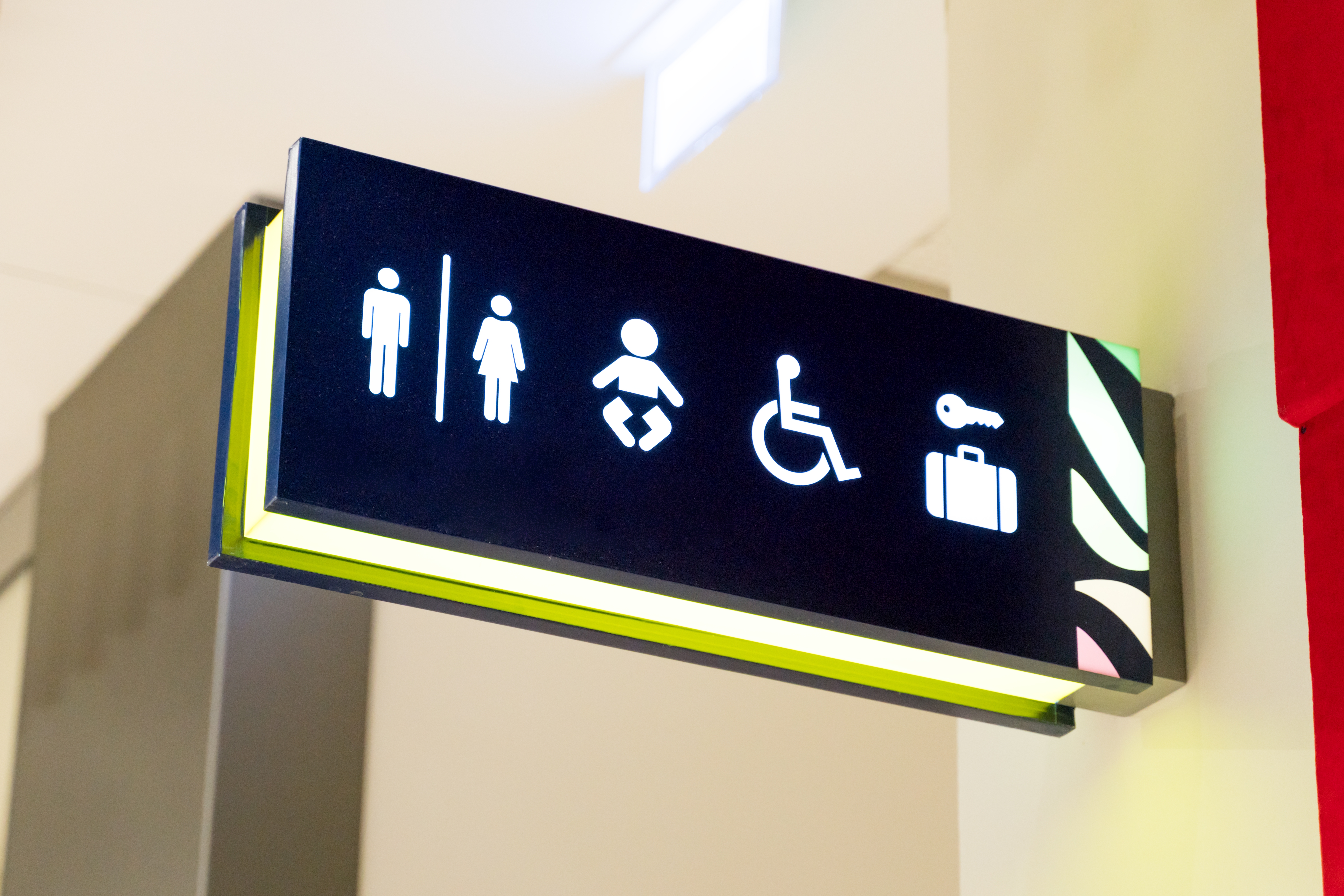
Wayfinding signage, often referred to as architectural signage, plays an important role in helping people find directions in large buildings. Wayfinding signs are important in public buildings like railway stations, bus terminals, airports, hospitals, government buildings and institutions, where clear directions can make all the difference in ensuring smooth pedestrian and vehicle movement without confusion.
The design of wayfinding signs is carefully planned to suit the building's unique characteristics. Factors like indoor height, signage size, font clarity and placement are all considered to ensure that the signage is easy to read from various distances and angles. These details make wayfinding signage not just functional but also a seamless part of the buildings architecture.
Apart from directing way, wayfinding signs can enhance a visitors experience with ease. For example, in general buildings like airports or hospitals, visitors often feel overwhelmed. Well placed and designed signage helps people find their way without needing to ask for help, creating a sense of independence and ease.
Safety Signage
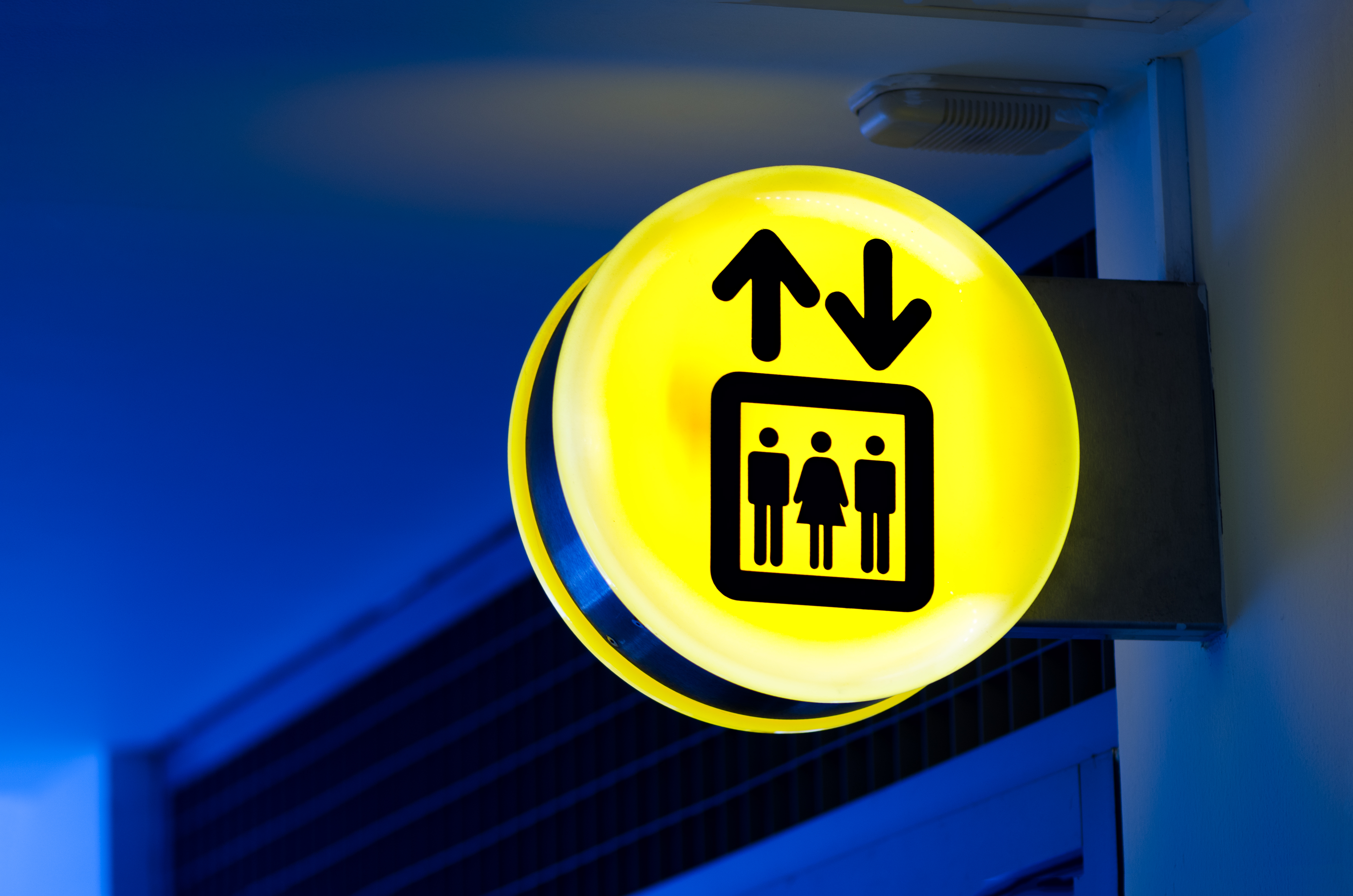
A Critical Element of wayfinding signage focuses on directions, fire escape and exit signage are all about safety. These signs are essential in emergencies, such as fires or evacuations and are designed to be highly visible and easy to follow. Even in the event of a power failure, fire and exit signs are equipped with glow in the dark or illuminated features, ensuring they remain functional when they are needed the most. These safety signs are often located strategically throughout buildings, especially near staircases, elevators, hallways and exits. Their placement is regulated by safety standards and building codes to guarantee that everyone inside can evacuate efficiently and safely. Investing in high quality, durable safety signage is not just a legal requirement its a responsibility toward the well being of the people in the building
Building Design & Wayfinding
wayfinding and safety signage also integrate with a building's overall design and branding. Instead of being mere functional additions, they now contribute to the aesthetic and identity of the space. This includes the choice of materials, colors and typography, all customized to blend with the interior or exterior environment while remaining highly visible. From sleek and modern signs for corporate offices to bold, clear designs for public spaces, signage is tailored to fit the space and its purpose. Additionally, multilingual options are often included in wayfinding signage, especially in areas like airports and tourist hubs, to cater to a diverse audience.
Maintenance
Designing & installing wayfinding signage is just the first step. Regular maintenance is essential to keep these signs effective. Over time, dirt, wear or outdated information can compromise their usability. Ensuring signs are properly lit, clean and up to date is crucial to maintaining their purpose and appearance.
Conclusion
wayfinding and safety signage are indispensable for any large or complex building. They not only guide and protect people but also enhance the user experience and contribute to the overall functionality and space aesthetics. Investing in well designed and maintained signage is an investment in movement safety and convenience.
The goal of effective wayfinding signs is to give people confidence that they are traveling in the correct direction, not to tell them where to go.